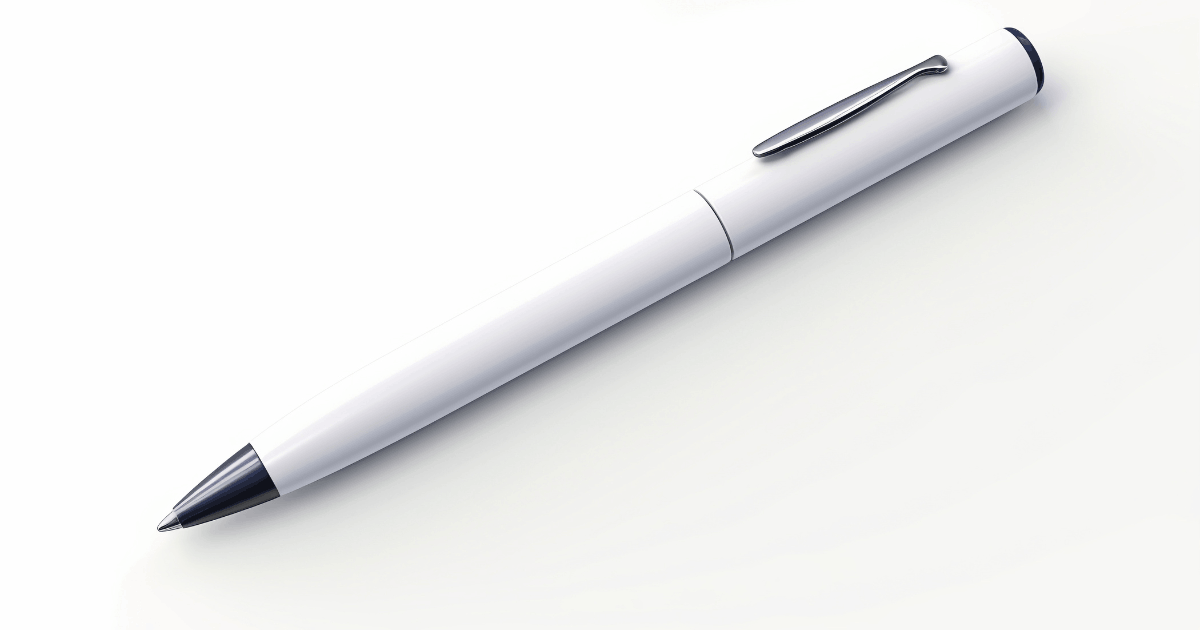
Anxiety Pen: A Clinical Review of Neurobiological Benefits
The Anxiety Solve Editorial Collective | Updated: March 2026
Summary
Anxiety pen is a therapeutic tool designed to facilitate paced breathing or deliver non-nicotine aromatherapy compounds with the clinical objective of activating the vagus nerve and modulating autonomic nervous system tone. By extending the exhalation phase or introducing olfactory stimuli with demonstrated anxiolytic properties, these devices aim to shift the autonomic nervous system from a sympathetic fight-or-flight state toward the parasympathetic state of physiological safety associated with reduced amygdala reactivity and improved emotional regulation.
The clinical utility of anxiety pens is best understood within the broader framework of autonomic nervous system regulation and somatic intervention for anxiety management. Their appeal as a point-of-care tool lies in their portability, immediacy of deployment, and absence of pharmacological dependency risk — characteristics that position them as a complementary adjunct within a comprehensive evidence-based therapeutics protocol rather than as standalone treatments for clinical anxiety disorders.
How does an anxiety pen work neurobiologically?
The neurobiological mechanism of mechanical anxiety pens operates primarily through the controlled modulation of the respiratory cycle, specifically by extending the expiratory phase to avoid hypercapnia while simultaneously activating the parasympathetic branch of the autonomic nervous system through vagal afferent stimulation. The prolonged exhalation produced by breathing through a flow-resistant tube activates the mammalian dive reflex — a phylogenetically ancient autonomic response that triggers bradycardia and peripheral vasoconstriction followed by parasympathetic rebound — producing a measurable reduction in heart rate and sympathetic tone within seconds of initiation. The sustained reduction in autonomic arousal produced by this respiratory pattern modulates amygdala hyperreactivity through top-down prefrontal inhibitory pathways, interrupting the feedback loop between perceived threat and somatic amplification that characterizes acute anxiety episodes.
Clinical Distinction: Aromatic vs. Mechanical Anxiety Pens
Mechanical Breathing Pens
Mechanical anxiety pens are flow-resistant inhalation devices, typically constructed from metal or medical-grade polymer, that create a controlled resistance to airflow during both inhalation and exhalation. The resistance is calibrated to slow the respiratory rate to the therapeutic range of approximately four to six breath cycles per minute — the frequency associated with maximal baroreflex sensitivity and high-frequency heart rate variability, both established markers of parasympathetic tone.
The therapeutic principle is not the delivery of any substance to the respiratory tract, but the mechanical regulation of the breath cycle itself. No compounds, carriers, or propellants are involved; the tool functions exclusively as a pacing aid that externalizes the respiratory control typically achieved through trained mindfulness or diaphragmatic breathing practice.
Aromatic Anxiety Pens
Aromatic anxiety pens deliver low-concentration volatile compounds — typically essential oil derivatives such as lavender (linalool), bergamot, or clary sage — through a ceramic or organic cotton wick that vaporizes the compound at ambient temperature without combustion. The proposed mechanism operates through the olfactory-limbic pathway: volatile compounds bind to olfactory receptors in the nasal epithelium, generating signals that travel via the olfactory nerve directly to the limbic system, bypassing the thalamic relay that mediates most other sensory inputs.
This direct olfactory-limbic connection gives aromatic interventions a neuroanatomical proximity to the amygdala and hippocampus that may explain the rapid subjective effects reported in aromatherapy research. The clinical evidence base for specific compounds — particularly linalool from lavender — has expanded considerably in the past decade, with several randomized controlled trials demonstrating anxiolytic effects comparable to low-dose benzodiazepines in generalized anxiety populations, without the sedative or dependency-related adverse effects.
Anxiety Pen vs. Vape: Addressing the Safety Distinction
The most clinically significant concern regarding anxiety pens in the consumer market is their superficial resemblance to electronic cigarettes or vaping devices, which has generated legitimate questions about the safety profile of these tools and their appropriateness for clinical recommendation.
Clinical-grade mechanical and aromatic anxiety pens are distinguished from vaping devices by three critical absences. They contain no nicotine, eliminating the primary mechanism of physiological dependency associated with vaping products. They contain no vitamin E acetate, the lipid compound associated with EVALI (e-cigarette or vaping product use-associated lung injury) in adulterated vaping products identified by the Centers for Disease Control and Prevention. They contain no propylene glycol or vegetable glycerin, the carrier compounds used in electronic cigarettes to produce aerosol; aromatic anxiety pens deliver volatile compounds at ambient temperature without generating inhalable particles.
The distinction is not merely compositional but functional: vaping devices are designed to deliver aerosolized compounds to the deep lung, while aromatic anxiety pens are designed to deliver volatile olfactory stimuli to the nasal mucosa. The delivery target, the compound concentration, and the physical mechanism of action are categorically different, and conflating the two categories represents a clinically relevant misclassification with significant implications for patient guidance.
Comparison: Breathing Tools vs. Pharmacological Intervention
| Feature | Anxiety Pen (Mechanical / Aromatic) | Anxiolytics (e.g. Benzodiazepines) |
|---|---|---|
| Mechanism | Vagal activation through paced exhalation (mechanical) or olfactory-limbic modulation via volatile compounds (aromatic); no systemic pharmacological action | Positive allosteric modulation of GABA-A receptors producing generalized CNS depression; systemic mechanism affecting multiple organ systems simultaneously |
| Onset of Relief | Mechanical: within 60-90 seconds of initiating paced breathing; Aromatic: within 2-5 minutes via olfactory processing | Rapid-acting benzodiazepines (alprazolam): 15-30 minutes to onset; effect duration 4-8 hours depending on half-life |
| Dependency Risk | No physiological dependency mechanism identified; aromatic compounds carry no receptor-level adaptation risk | Significant physiological and psychological dependency risk with repeated use; documented withdrawal syndrome including rebound anxiety and seizure risk |
| Side Effects | Mechanical: transient light-headedness if hyperventilation occurs through incorrect use; Aromatic: rare contact sensitivity in individuals with essential oil hypersensitivity | Sedation, cognitive impairment, anterograde amnesia, motor coordination deficits, respiratory depression at high doses, rebound anxiety upon discontinuation |
Neurophysiological Mechanisms: A Deeper Analysis
The Baroreflex and Heart Rate Variability
The most robustly documented neurophysiological effect of paced breathing — the mechanism underlying mechanical anxiety pen use — is the enhancement of baroreflex sensitivity and high-frequency heart rate variability (HRV). When breathing is slowed to the resonance frequency of the cardiovascular system — approximately 0.1 Hz, corresponding to roughly six breath cycles per minute — the fluctuations in heart rate that accompany each respiratory cycle become maximally amplified through resonance with the baroreflex feedback loop.
This amplification of HRV reflects increased parasympathetic modulation of cardiac function, which has downstream effects on amygdala reactivity, prefrontal cortical activity, and subjective anxiety. Studies using paced breathing protocols in clinical anxiety populations have demonstrated significant reductions in state anxiety measures within single sessions, with effect sizes comparable to pharmacological interventions in mild to moderate anxiety.
The Olfactory-Limbic Pathway and Linalool
The neurobiological plausibility of aromatic anxiety pens rests on the anatomical specificity of the olfactory system. Unlike all other sensory modalities, olfactory signals reach the limbic system — specifically the amygdala, hippocampus, and orbitofrontal cortex — through a direct two-synapse pathway that bypasses the thalamic relay. This anatomical proximity gives olfactory stimuli an unusually rapid and direct influence on emotional processing networks.
Linalool, the primary active constituent of lavender essential oil, has been demonstrated in preclinical and clinical research to modulate GABA-A receptor activity through a mechanism that does not require systemic absorption, suggesting that its anxiolytic effects may be mediated through olfactory-limbic signaling rather than through conventional pharmacokinetic routes. This distinction is clinically relevant because it implies that the anxiolytic effects of lavender aromatherapy occur without the systemic exposure that characterizes oral or intravenous pharmacological interventions.
Clinical Limitations and Scope of Applicability
The anxiety pen, in both its mechanical and aromatic forms, is appropriately positioned as a somatic regulation tool for acute anxiety management rather than as a treatment for anxiety disorders in the clinical nosological sense. Its evidence base supports its use for the rapid reduction of state anxiety in individuals experiencing acute sympathetic activation — panic-adjacent states, performance anxiety, situational stress — but does not support its use as a primary intervention for generalized anxiety disorder, social anxiety disorder, or other DSM-5 diagnostic categories requiring structured psychological or pharmacological treatment.
The tool is most accurately characterized as a behavioral anchor: a concrete, portable action that interrupts the escalating feedback loop of sympathetic arousal at a somatic level, creating a brief window of reduced physiological activation in which cognitive regulatory strategies can be more effectively deployed. Its clinical value is therefore greatest when integrated within a broader therapeutic framework that addresses the cognitive and behavioral dimensions of the anxiety disorder alongside the somatic regulation it facilitates.
The following considerations represent the primary limitations of the current evidence base for anxiety pens. The majority of studies on paced breathing and aromatherapy use standardized laboratory protocols rather than real-world point-of-care delivery devices, limiting the generalizability of findings to specific commercial products. The dose-response relationship for aromatic compounds delivered via wick-based devices is not well characterized, and the concentration of volatile compounds delivered varies considerably between products. Long-term efficacy data for anxiety pen use as a sustained self-management strategy are not yet available from prospective controlled trials.
Clinical Recommendations for Integration
Based on the available evidence, the Anxiety Solve Editorial Collective considers the following framework appropriate for the clinical integration of anxiety pens:
Mechanical breathing pens are appropriate for recommendation as adjunctive self-regulation tools in any patient experiencing acute anxiety episodes who has been trained in diaphragmatic breathing technique, with the pen serving as a pacing scaffold that supports the implementation of a skill the patient is already developing. They carry no contraindications for the general adult population when used as directed and represent a low-risk, low-cost adjunct to structured psychological treatment.
Aromatic anxiety pens containing lavender (linalool) or bergamot derivatives may be considered as complementary somatic regulation tools in patients without documented essential oil hypersensitivity. Clinicians should advise patients to verify that the product they select uses ambient-temperature volatilization without propellants or carrier compounds, and to source products from manufacturers who provide third-party compositional verification.
Neither tool should be recommended as a substitute for evidence-based psychological treatment in patients meeting diagnostic criteria for a clinical anxiety disorder. The acute somatic relief these tools may provide should be explicitly framed to patients as a bridge to — not a replacement for — the structured cognitive and behavioral interventions with demonstrated long-term efficacy.
FAQ
What is the anxiety pen?
The focus keyword Anxiety pen is a categorical term describing two distinct types of handheld therapeutic tools. The first is an aromatic inhaler that delivers non-nicotine, organic plant terpenes (aromatherapy) to provide acute sensory grounding. The second is a mechanical breathing device, often a medical-grade steel tube designed to provide airflow resistance.
Is the anxiety pen just a vape?
No, clinical-grade anxiety pens are significantly distinct from conventional electronic cigarettes or nicotine delivery systems. While traditional vapes utilize heat to atomize liquids containing nicotine, propylene glycol, and chemical flavorants, most anxiety pens are either mechanical (no battery or heat) or use dry aromatherapy technology.
What vape pen is good for anxiety?
From a psychiatric perspective, the “best” pen for managing anxiety is one that is nicotine-free and designed for Vagus Nerve Stimulation (VNS). Tools that utilize high-grade CBD (cannabidiol) or terpene blends (such as Linalool from Lavender or Myrcene) are frequently reviewed in clinical settings for their anxiolytic properties.
Is there a pen for anxiety?
Yes, current market analysis and clinical observations identify a robust landscape of therapeutic pens for anxiety management. Patients can select between Olfactory Pens (sensory-focused) and Pneumatic Pens (physiology-focused). Pneumatic models are particularly effective for those experiencing somatic symptoms like chest tightness or hyperventilation.
Editorial Note
This review was produced by the Anxiety Solve Editorial Collective with the objective of providing clinically grounded, objective analysis of an emerging consumer health tool category. No commercial relationships with anxiety pen manufacturers or distributors have influenced the content of this review. All claims are referenced to peer-reviewed literature or established neurophysiological principles, and the review does not constitute endorsement of any specific commercial product.
References
Zaccaro, A. et al. How breath-control can change your life: a systematic review on psycho-physiological correlates of slow breathing. Frontiers in Human Neuroscience, 2018; 12: 353.
Lehrer, P. M. y Gevirtz, R. Heart rate variability biofeedback: how and why does it work? Frontiers in Psychology, 2014; 5: 756.
Russo, M. A., Santarelli, D. M. y O’Rourke, D. The physiological effects of slow breathing in the healthy human. Breathe, 2017; 13(4): 298–309.
Cajochen, C. et al. Evening exposure to a light-emitting diodes (LED)-backlit computer screen affects circadian physiology and cognitive performance. Journal of Applied Physiology, 2011; 110(5): 1432–1438.
Koulivand, P. H., Khaleghi Ghadiri, M. y Gorji, A. Lavender and the nervous system. Evidence-Based Complementary and Alternative Medicine, 2013; 2013: 681304.
Kasper, S. et al. Silexan, an orally administered Lavandula oil preparation, is effective in the treatment of mixed anxiety-depression: a double-blind, placebo-controlled trial. International Clinical Psychopharmacology, 2016; 31(1): 11–19.
Tisserand, R. y Young, R. Essential Oil Safety: A Guide for Health Care Professionals. Segunda edición. Londres: Churchill Livingstone Elsevier; 2014.
Centers for Disease Control and Prevention (CDC). Outbreak of Lung Injury Associated with the Use of E-Cigarette or Vaping Products. Atlanta: CDC; 2020. Disponible en: https://www.cdc.gov
Porges, S. W. The polyvagal theory: neurophysiological foundations of emotions, attachment, communication, and self-regulation. New York: W. W. Norton and Company; 2011.
American Psychiatric Association. Diagnostic and Statistical Manual of Mental Disorders, Fifth Edition, Text Revision (DSM-5-TR). Washington, D.C.: American Psychiatric Association Publishing; 2022.
National Institute for Health and Care Excellence (NICE). Generalised anxiety disorder and panic disorder in adults: management. Clinical Guideline CG113. Londres: NICE; 2011, actualización 2020. Disponible en: https://www.nice.org.uk